
How Digital Design Is Helping Dental Labs Keep Up With Demand
Dentistry has seen steady growth in demand for restorative work over the past several years, driven by an aging population needing more crowns, bridges, and implants, alongside rising interest in cosmetic and orthodontic treatment among younger patients. That growth has put real pressure on dental labs, which have had to find ways to handle more cases without simply hiring endlessly to match demand.
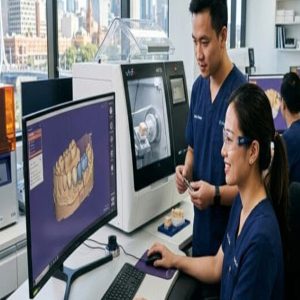
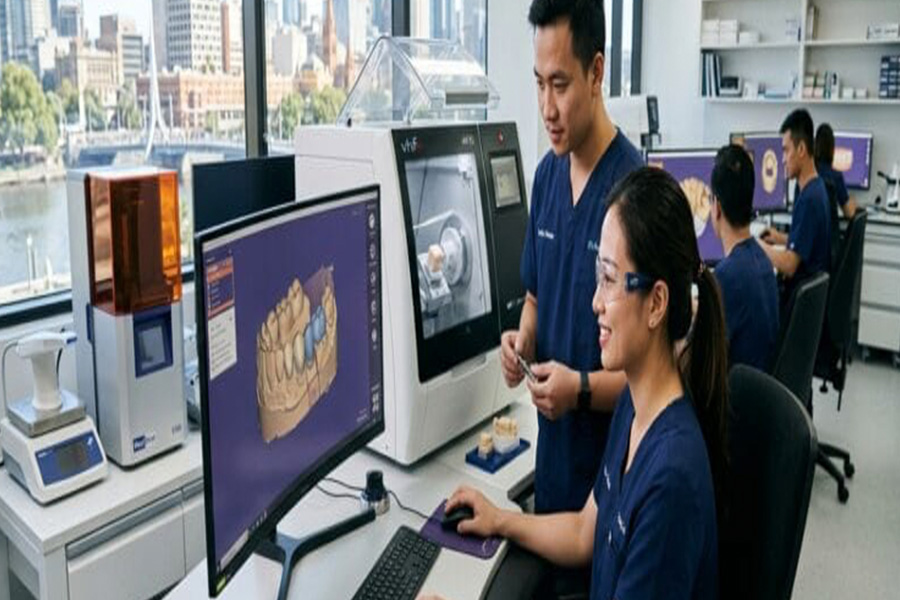
Digital design has become one of the clearest ways labs have managed to scale. A skilled designer working digitally can typically complete more cases in a day than was possible with hand-sculpted wax-up techniques, simply because software allows faster iteration, adjustments that once meant re-carving physical wax can now be made with a few clicks and previewed instantly. That efficiency gain compounds across a busy caseload.
Specialization has helped too. Rather than every lab trying to do everything, many clinics now rely on dental cad outsourcing partners that focus specifically on one category of work, implants, aligners, complex full-arch restorations, developing deeper expertise and faster workflows for it than a generalist lab managing every case type could realistically maintain.
Remote and distributed teams have added further flexibility. Because digital files can be sent anywhere instantly, labs aren’t limited to hiring designers who live near a physical facility. That’s opened up a much larger pool of skilled designers globally, which has helped ease the specialist shortage that many regions have faced as demand for digital dentistry has grown faster than local training pipelines could keep up with.
None of this is really visible to patients directly, but it shows up in practical terms: shorter waits for a permanent restoration, more consistent quality even during a clinic’s busiest periods, and dental practices able to take on new patients without an equivalent slowdown in how quickly existing patients get their treatment finished.
As demand keeps growing across the industry, this kind of digital scaling is likely to become less of a competitive advantage and simply the standard way most dental labs operate day to day.