

Why Research Peptides are Sold as Vials, Not Pens
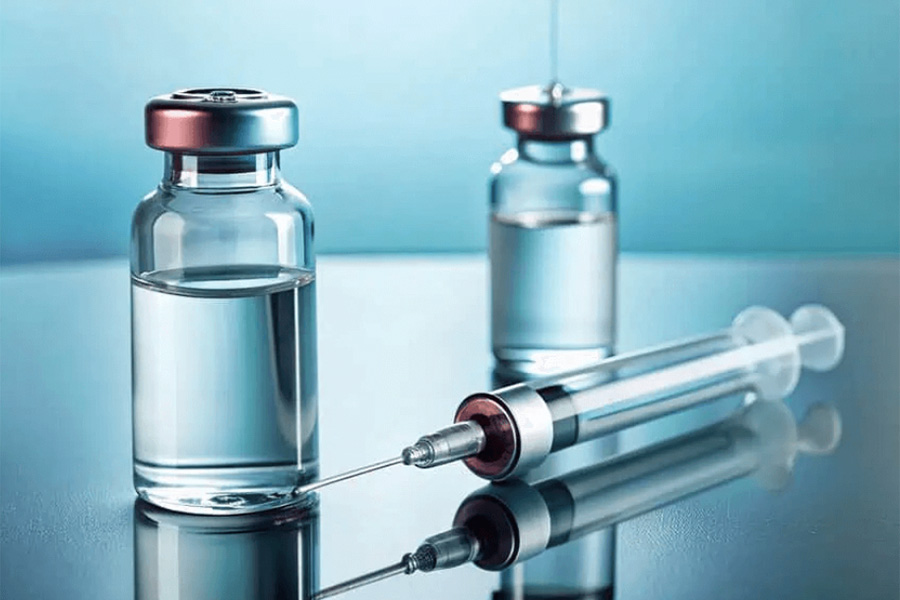
Searching for peptides for sale such as a retatrutide pen often reflects interest in convenience, ready-to-use delivery systems, or clarity on how modern peptide therapies are supplied. While injection pens are a known pharmaceutical delivery format, most research peptides are distributed in lyophilised vial form due to stability requirements, handling flexibility, and research-grade production standards.
If you searched for a retatrutide pen, you are likely trying to understand whether this compound is available in a finished injectable format similar to established prescription medications. The key distinction is that injection pens exist as a drug delivery system, but research peptides are typically supplied as lyophilised powder vials because they serve a different purpose and regulatory pathway compared to finished pharmaceuticals.
A research peptide supplier does not provide pre-filled injection pens for retatrutide. Instead, retatrutide is supplied in lyophilised vial form intended strictly for laboratory research use. This does not mean injection pens do not exist as a concept or delivery mechanism, but rather that research supply and pharmaceutical product supply operate in completely different systems.
Short Answer: Do Retatrutide Pens Exist?
Retatrutide is not currently available as an approved public pharmacy product. According to pharmaceutical development updates, it remains in clinical trial stages, with regulatory approval and broader availability still pending as research continues to progress.
At the same time, it would be inaccurate to say that injection pen formats do not exist at all. Reports from regulatory agencies have documented the existence of unlicensed or illegally manufactured pre-filled injection pens containing various investigational substances. However, these are not approved commercial products.
The accurate understanding is that retatrutide is still an investigational compound, not an approved consumer medication, and therefore not available in legitimate pharmacy-issued pen form for public use.
Why Research Peptides Are Usually Sold as Vials
The primary reason peptides are supplied in vial form is stability. In their dry, lyophilised state, peptides are generally more chemically stable and less prone to degradation. Once reconstituted into liquid form, they become more sensitive to temperature, light exposure, and time-based breakdown.
Scientific formulation research consistently shows that lyophilisation is widely used to preserve peptide structure and extend shelf stability during storage and transport. This makes vial-based supply the preferred format for research environments where consistency and controlled handling are essential.
Vial-based supply also allows greater flexibility in research settings, including adjustable concentration preparation, batch-specific tracking, and more controlled storage conditions. These factors are important in laboratory environments where precision and reproducibility matter.
Why Pens Are Used for Medicines but Not for Most Research Peptides
Injection pens are designed for finished pharmaceutical products that have already undergone full regulatory approval. These systems are built around fixed dosing, validated liquid formulations, and patient-ready administration methods intended for clinical or prescription use.
In contrast, research peptides are not finished pharmaceutical products. They are supplied for investigative and laboratory purposes, where formulation flexibility and storage stability are more important than consumer usability. As a result, pre-filled pens are not typically used in research supply chains.
Regulatory agencies have also warned that unauthorized or counterfeit injection pens can appear in unregulated markets. These warnings highlight the importance of distinguishing between approved medical products and non-approved materials circulating outside regulated pharmaceutical channels.
Why Waiting for a Pen Format Is a Separate Question
Interest in a retatrutide pen often comes from the assumption that all modern peptide-based therapies are already available in convenient injection formats. In reality, investigational compounds may take years of clinical evaluation before any approved consumer delivery system is introduced.
If a compound is still undergoing clinical trials, it is not yet available as a regulated prescription product. This means that any future pen-based formulation would depend entirely on successful trial outcomes and regulatory approval processes.
For research purposes, the current reality is that peptides remain supplied in vial form because this format best supports laboratory storage, handling, and experimental consistency.
The Reconstitution Process and Practical Handling
Many searches for peptide injection pens are driven by convenience rather than complexity. In laboratory settings, reconstitution is a standard and widely used process designed to prepare lyophilised peptides for research use.
This typically involves introducing sterile diluent into the vial, allowing the powder to dissolve gradually, and storing the solution under controlled conditions to maintain stability. Once prepared, precise measurement tools are used to ensure accurate dosing in experimental contexts.
While the process may seem technical at first, it is a well-established method used across research laboratories for handling peptide compounds in a controlled and consistent way.