
How Physiotherapy Helps Knee Recovery After Sports Injuries
Key Takeaways
- Knee physiotherapy focuses on restoring movement control and strength, not just reducing pain after a sports injury.
- Early recovery often involves gentle movement to reduce swelling and rebuild confidence in loading the knee.
- Guided exercises prioritise alignment and stability, helping patients return to everyday activities before sports-specific movements.
- Physiotherapy clinics in Singapore gradually reintroduce running, jumping, and directional changes to reduce reinjury risk.
- Education around training habits and daily routines supports long-term knee recovery beyond clinic sessions.
Introduction
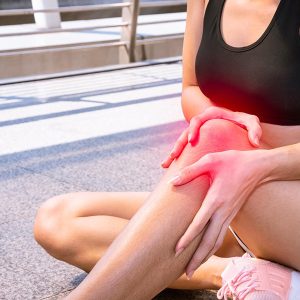
Sports injuries often feel sudden, yet their effects tend to linger in daily routines long after the initial incident. People seek knee physiotherapy in Singapore when injuries from football, gym training, running, or court sports start affecting their basic motor skills. Many expect rest alone to resolve the problem, only to find stiffness, instability, or recurring pain once activity resumes. Visiting a physiotherapy clinic in Singapore introduces a structured recovery process that focuses on restoring movement rather than avoiding it. Patients who can understand how physiotherapy supports knee recovery can help them plan time, manage expectations, and stay engaged with their sessions.
Understanding The Injury And Movement Limits
Physiotherapy begins with understanding how the knee injury affects movement rather than focusing only on pain. Therapists assess swelling, range of motion, strength, and how the knee behaves during everyday actions such as walking, sitting, or standing. Patients often realise that discomfort is linked to reduced control or muscle imbalance rather than damage alone. Simple tasks may reveal hesitation or altered movement patterns that developed after injury. In knee physiotherapy in Singapore, identifying these changes helps explain why symptoms persist even after rest, which connects sports movements to daily function, making recovery feel relevant beyond the training field or gym.
Reducing Swelling And Regaining Control
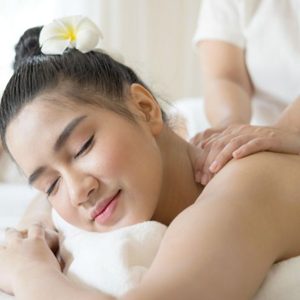
Early sessions often aim to reduce swelling and restore basic knee control. Gentle hands-on techniques, guided positioning, and controlled movements help calm irritated tissues. Patients may be surprised to move the knee sooner than expected, especially if they associate recovery with avoiding activity. However, gradual motion supports circulation and prevents stiffness from setting in. At a physiotherapy clinic in Singapore, this phase focuses on helping patients feel safe loading the knee again. Regaining control during simple movements often reduces anxiety and builds confidence before progressing further.
Strength And Stability Through Guided Exercises
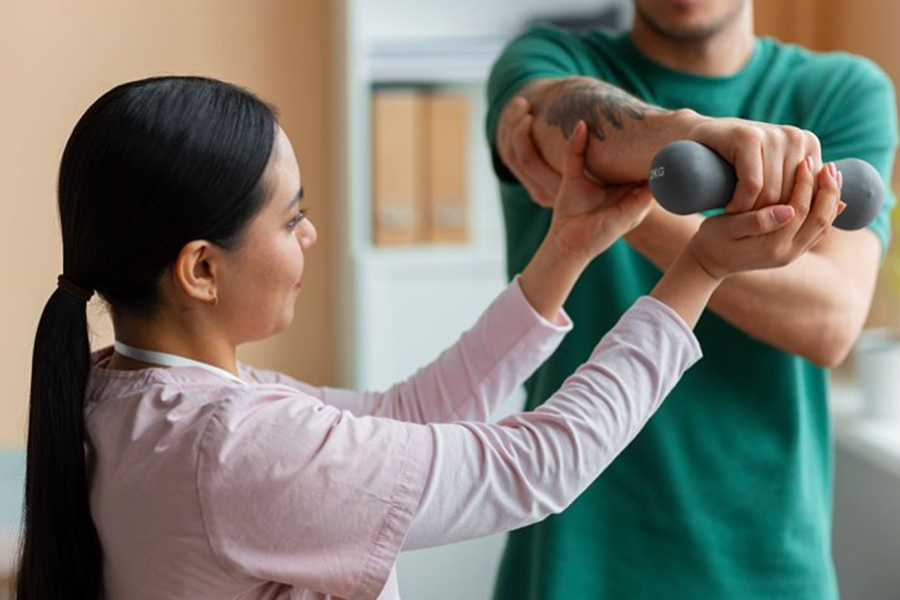
As swelling starts settling, exercise becomes central to recovery. Therapists introduce movements that strengthen surrounding muscles and improve joint stability. These exercises may look simple, but they emphasise control, alignment, and consistency rather than intensity. Patients practise under supervision to correct habits that may have contributed to injury. Knee physiotherapy in Singapore often progresses slowly, allowing tissues to adapt without overload. Improved strength supports smoother walking, better balance, and reduced strain during everyday activities such as standing up or carrying items.
Returning To Sports Movements Gradually
Sports injuries affect more than basic movement. Engaging in activities such as running, jumping, and changing direction places specific demands on the knee. Physiotherapy sessions often reintroduce these movements in stages, adjusting drills based on individual sport and comfort levels. Patients learn how fatigue, speed, and technique influence knee load. At a physiotherapy clinic in Singapore, this stage helps bridge rehabilitation and real-world sport demands. Gradual exposure allows patients to rebuild confidence and recognise early warning signs without rushing back into full activity.
Education And Long-Term Management
Education is crucial, alongside physical treatment throughout recovery. Therapists discuss warm-up habits, training frequency, and how daily routines influence knee stress. Patients often learn how footwear, work posture, and commuting patterns affect recovery. Knee physiotherapy in Singapore commonly extends beyond clinic visits, encouraging patients to monitor symptoms and adjust activity levels, which supports long-term participation in sports and reduces reliance on repeated treatment for recurring flare-ups.
Conclusion
Many patients expect knee recovery to follow a straight, predictable path, yet progress often includes pauses and adjustments. Physiotherapy highlights how movement habits, strength, and confidence influence healing alongside time. The gap between resting an injury and returning to sport can feel unclear without guidance. Recognising physiotherapy as an active, evolving process helps patients interpret gradual changes realistically. Knee physiotherapy in Singapore supports recovery by rebuilding movement patterns that are suitable for both sports and everyday life, rather than focusing on symptoms alone.
Contact The Movement Laboratory and learn more information about recovery after knee physiotherapy.