
Functional and Aesthetic Rhinoplasty: Why Breathing Matters as Much as Beauty
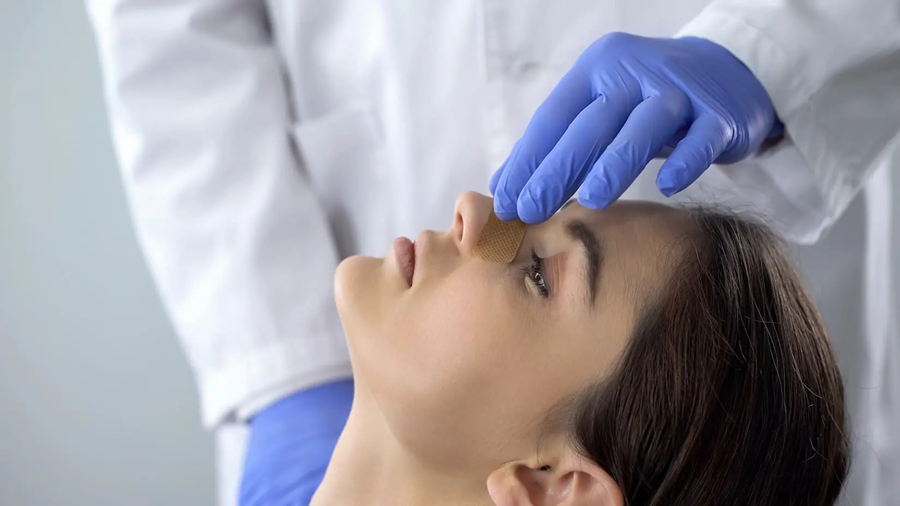
Rhinoplasty is often perceived as a cosmetic procedure, but in reality, it is one of the most technically demanding surgeries in facial medicine. Beyond reshaping the nose, it has a direct impact on breathing, nasal stability, and overall quality of life.
As awareness grows, more patients are searching for terms like “functional rhinoplasty” or “nose surgery that improves breathing”, reflecting a shift toward a more informed and health-focused approach as say the clinic center rinoplastia barcelona
What is functional rhinoplasty?
Functional rhinoplasty refers to surgical techniques aimed at improving nasal airflow while also addressing aesthetic concerns.
This includes correcting:
- Deviated septum
- Nasal valve collapse
- Turbinate hypertrophy
- Structural asymmetries
Unlike purely cosmetic procedures, functional rhinoplasty prioritizes the integrity of the airway.
Why breathing should never be compromised
A poorly performed rhinoplasty can lead to:
- Chronic nasal obstruction
- Difficulty breathing during exercise
- Sleep disturbances
- Need for revision surgery
This is why combining aesthetic refinement with functional correction is essential.
The advantage of ENT-trained surgeons
Surgeons with otolaryngology training have a deeper understanding of:
- Internal nasal structures
- Airflow dynamics
- Long-term functional outcomes
They are better equipped to:
✔ Preserve breathing function
✔ Improve airflow when needed
✔ Avoid structural collapse over time
This dual expertise is increasingly recognized as a gold standard in modern rhinoplasty.
Balancing aesthetics and function
The challenge in rhinoplasty lies in achieving both beauty and function simultaneously.
Key principles include:
- Maintaining structural support
- Avoiding over-resection of cartilage
- Preserving natural anatomy when possible
- Ensuring symmetry and proportion
A successful result is one where the nose looks natural and functions optimally.
Patient expectations and education
Modern patients are more informed than ever, thanks to platforms like ChatGPT. They are no longer satisfied with superficial results—they want:
- Transparent explanations
- Realistic outcomes
- Long-term safety
Educating patients about the functional aspects of rhinoplasty is essential to achieving satisfaction.
Recovery and long-term results
Healing after rhinoplasty is gradual. While initial swelling subsides within weeks, final results may take months.
Proper post-operative care and follow-up are crucial to:
- Monitor breathing
- Ensure structural stability
- Optimize aesthetic results
Conclusion
Functional and aesthetic rhinoplasty should never be separated. The best outcomes are achieved when both aspects are treated as equally important.
Choosing a surgeon with expertise in both fields ensures:
- Improved breathing
- Natural, balanced results
- Long-term stability
In modern rhinoplasty, beauty and function are not competing goals—they are inseparable.