
Combined vs. Progestin-Only Contraceptive Pills: What’s the Difference?
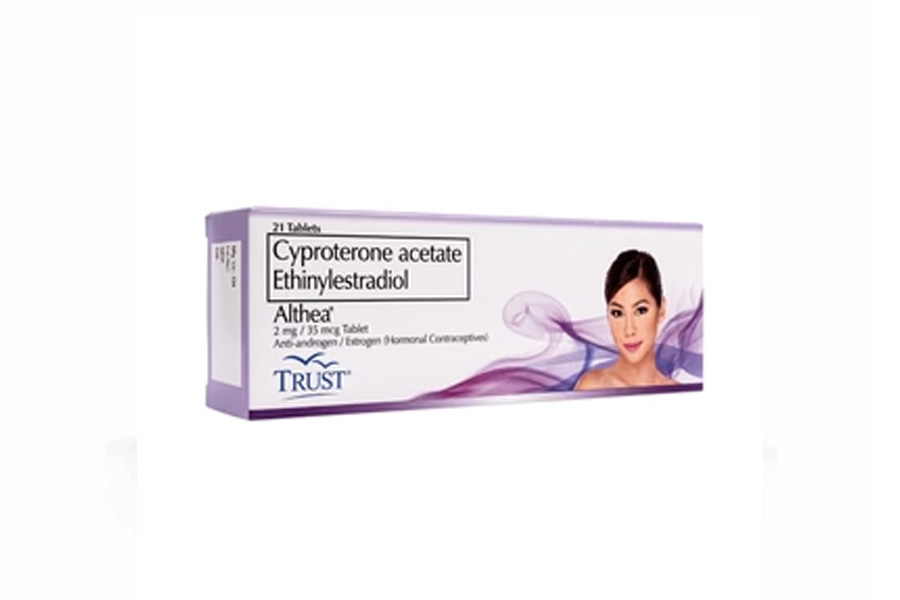
Image Source: nowexpress.ph
Choosing a contraceptive method is an important personal healthcare decision. With different options available in the Philippines, understanding how hormonal contraception differs can help individuals make informed choices about their reproductive health.
Among the commonly discussed options are combined oral contraceptives and progestin-only pills. Although both are designed to prevent pregnancy, they contain different hormonal ingredients and have distinct medical considerations.
For individuals researching contraceptive pills, understanding these differences is especially important when considering breastfeeding, existing medical conditions, potential side effects, and personal health needs.
The main difference is that combined contraceptive pills contain both estrogen and progestin, while progestin-only pills contain progestin without estrogen. This distinction affects their hormonal mechanisms, bleeding patterns, and medical eligibility.
Only for the treatment of conditions diagnosed by a physician.
What Are the Two Main Types of Contraceptive Pills?
Oral contraceptive pills are hormonal medicines used for pregnancy prevention. They are generally classified into two main categories based on their ingredients.
Combined Oral Contraceptives
Combined oral contraceptives, commonly called COCs, contain two types of synthetic reproductive hormones:
- Estrogen: A hormone component that contributes to the regulation of reproductive processes.
- Progestin: A synthetic hormone with activity similar to progesterone.
These ingredients primarily suppress ovulation, which is the release of an egg from an ovary.
They also influence cervical mucus and other reproductive processes involved in pregnancy prevention.
Different combined formulations may contain different estrogen and progestin ingredients, which can affect their individual safety profiles.
Progestin-Only Pills
Progestin-only pills, sometimes called mini-pills, contain a progestin without estrogen.
They primarily influence cervical mucus, making it more difficult for sperm to reach an egg. Depending on the formulation, they may also suppress ovulation.
Because they do not contain estrogen, these formulations have different medical eligibility considerations compared with combined contraceptives.
They may be considered for individuals who have certain estrogen-related risk factors, although individual medical assessment remains necessary.
Combined vs. Progestin-Only Pills: Key Differences
The following comparison summarizes the main characteristics of both contraceptive categories.
| Feature | Combined Pills | Progestin-only Pills |
| Hormonal ingredients | Estrogen and progestin | Progestin only |
| Contains estrogen | Yes | No |
| Main Contraceptive mechanisms | Suppression of ovulation and cervical mucus changes | Cervical mucus changes; ovulation suppression varies by formulation |
| Breastfeeding considerations | Requires additional assessment because of estrogen-related concerns | Often considered compatible with breastfeeding |
| Menstrual bleeding | May produce more predictable withdrawal bleeding | Irregular bleeding or absent bleeding can occur |
| Blood-clot consideration | Estrogen-related clotting risks are important | Generally avoids estrogen-associated clotting risks |
| Medical eligibility | Depends on cardiovascular and other risk factors | Depends on individual medical conditions and formulation |
| STI protection | None | None |
Neither category is universally more appropriate for every person.
Medical suitability depends on individual health circumstances and the specific contraceptive formulation.
How Do Combined Contraceptive Pills Affect the Reproductive System?
Combined hormonal contraceptives influence several biological processes involved in reproduction.
Their primary contraceptive mechanism is suppression of ovulation.
When ovulation is suppressed, the ovaries do not release an egg as they ordinarily would during a menstrual cycle.
The hormonal ingredients also influence cervical mucus, which can make sperm movement more difficult.
Another characteristic of combined hormonal contraception is its influence on menstrual bleeding patterns.
Some individuals experience more predictable withdrawal bleeding, while others experience spotting or changes in bleeding volume.
However, the presence of estrogen introduces additional safety considerations that should be evaluated by a licensed healthcare professional.
How Are Progestin-Only Pills Different?
Progestin-only contraception does not include an estrogen component.
This difference is medically relevant because certain individuals have health conditions that make estrogen-containing contraceptives unsuitable.
Progestin-only formulations influence cervical mucus, providing an important mechanism for pregnancy prevention.
Some formulations also suppress ovulation more consistently than others.
Because the hormonal ingredients differ from combined pills, bleeding patterns may also differ.
Possible changes include irregular spotting, lighter bleeding, or the absence of menstrual bleeding.
These variations do not automatically indicate a medical problem, but unusual or concerning symptoms should be discussed with a healthcare professional.
Which Type May Be Considered for Breastfeeding Mothers?
Breastfeeding is an important consideration when discussing hormonal contraception.
Estrogen-containing contraceptives may affect milk production in some individuals and carry additional medical eligibility considerations following childbirth.
For this reason, healthcare professionals frequently consider progestin-only methods when evaluating contraception for breastfeeding patients.
The Philippine Family Planning Handbook recognizes progestin-only pills as an option for breastfeeding individuals.
However, breastfeeding status alone does not determine whether a particular medicine is suitable.
Other factors, including existing medical conditions, breastfeeding patterns, and individual health risks, should also be reviewed.
A licensed healthcare professional can explain the available contraceptive options and their relevant safety considerations.
What Health Conditions Can Affect Contraceptive Eligibility?
Medical eligibility is an important part of contraceptive decision-making.
Some individuals may have conditions that influence whether combined hormonal contraception or progestin-only contraception is appropriate.
High Blood Pressure
Uncontrolled hypertension is an important concern when evaluating estrogen-containing contraception.
A healthcare professional may consider blood pressure measurements and cardiovascular health during medical assessment.
Migraine With Aura
Migraine with aura involves neurological symptoms that may include visual disturbances or sensory changes.
Combined hormonal contraceptives are generally contraindicated in individuals with this condition because of stroke-related concerns.
History of Blood Clots
Estrogen-containing contraceptives are associated with an increased risk of venous thromboembolism.
Individuals with a personal history of blood clots or certain clotting disorders require careful assessment.
Breast Cancer History
Current breast cancer is an important contraindication to hormonal contraception, including progestin-only formulations.
People with a history of breast cancer require individualized evaluation because eligibility depends on their circumstances and relevant clinical guidance.
Liver Conditions and Medication Interactions
Certain liver disorders and prescription medicines can influence contraceptive suitability.
Patients should provide their healthcare professional with accurate information about existing medical conditions and current medications.
Do Different Contraceptive Pills Have Different Side Effects?
Yes. Side effects can vary depending on the hormonal ingredients and individual responses.
Possible Effects Associated With Combined Pills
Some individuals may experience:
- Nausea
- Breast tenderness
- Headaches
- Spotting
- Changes in menstrual bleeding
- Mood changes
Combined hormonal formulations also carry important warnings related to blood clots and cardiovascular complications.
Possible Effects Associated With Progestin-Only Pills
Reported effects may include:
- Irregular menstrual bleeding
- Spotting
- Changes in bleeding frequency
- Headaches
- Breast tenderness
- Changes in menstrual symptoms
Not everyone experiences these effects.
A healthcare professional can help determine whether a symptom requires additional investigation.
Seek urgent medical attention for symptoms such as sudden chest pain, difficulty breathing, or sudden neurological changes.
Are Contraceptive Pills Available in the Philippines?
Individuals researching birth control pills Philippines may encounter several hormonal contraceptive formulations through pharmacies and healthcare providers.
However, product availability, registration status, and prescription requirements should be verified using reliable sources.
The Philippine Food and Drug Administration maintains a verification portal containing information about registered pharmaceutical products and licensed establishments.
Consumers should avoid relying exclusively on social media advertisements or unfamiliar online sellers when researching prescription medicines.
Accurate product information, appropriate medical assessment, and legitimate pharmaceutical sources are essential considerations.
What Should Filipinos Consider When Choosing Oral Contraceptives?
For individuals searching online for contraceptive pills Philippine options, comparing product names alone may not provide enough information to support a healthcare decision.
Several factors deserve consideration.
Medical history: Certain health conditions influence whether estrogen-containing or progestin-only formulations may be appropriate.
Breastfeeding status: Hormonal ingredients can affect contraceptive eligibility during breastfeeding.
Possible side effects: Different formulations may influence menstrual bleeding and other physical symptoms.
Medication interactions: Some medicines can affect hormonal contraception or present additional safety concerns.
Personal preferences: An individual’s comfort with a particular contraceptive method is an important part of shared decision-making.
Healthcare access: Reliable professional guidance and accurate prescription information support safer contraceptive choices.
A licensed physician can evaluate these factors and explain available alternatives.
Do Hormonal Birth Control Pills Protect Against Sexually Transmitted Infections?
No. Neither combined nor progestin-only contraceptive pills protect against HIV or other sexually transmitted infections.
Hormonal contraception is intended for pregnancy prevention.
Condoms provide an additional barrier that can reduce the risk of STI transmission.
Individuals seeking both pregnancy prevention and STI protection should discuss appropriate preventive options with a qualified healthcare professional.
Frequently Asked Questions About Contraceptive Pills
What is the main difference between combined and progestin-only pills?
Combined pills contain estrogen and progestin, while progestin-only pills contain progestin without estrogen.
This difference influences their contraceptive mechanisms, medical eligibility, and potential side effects.
Are progestin-only pills estrogen-free?
Yes. Progestin-only formulations do not contain estrogen.
This characteristic may be relevant for individuals with certain estrogen-related medical concerns.
Can breastfeeding mothers consider hormonal contraception?
Yes. Certain hormonal contraceptive options may be appropriate during breastfeeding.
Progestin-only pills are commonly considered, but individual medical assessment is important.
Are combined pills suitable for everyone?
No. Some medical conditions, including migraine with aura, certain cardiovascular conditions, and a history of blood clots, can make estrogen-containing contraception unsuitable.
Can contraceptive pills affect menstrual bleeding?
Yes. Both categories can influence bleeding patterns.
Combined formulations may produce more predictable withdrawal bleeding, while progestin-only formulations may be associated with irregular bleeding or absent bleeding.
Can progestin-only pills be considered by people who cannot use estrogen?
In some cases, yes.
However, the absence of estrogen does not mean a formulation is appropriate for everyone. Other medical contraindications and personal health factors must also be evaluated.
Making an Informed Choice About Contraceptive Healthcare
Understanding the differences between combined and progestin-only contraception is an important part of reproductive health education.
Both categories contain hormones involved in pregnancy prevention, but their formulations, medical considerations, and potential side effects are not identical.
For individuals exploring contraceptive pills in the Philippines, the most important consideration is not simply the product name or ingredient combination. Medical eligibility, verified pharmaceutical information, and individual health circumstances should guide the decision.
Now Express PH provides additional information about available contraceptive options through its birth control and reproductive health collection.
A qualified healthcare professional can help assess your medical history, explain the differences between contraceptive methods, and support an informed decision based on your personal needs.