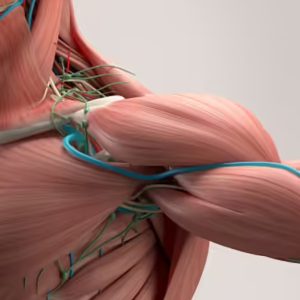

Chiropractic Shoulder Pain Treatment for Desk Work, Gym Injuries & Old Trauma

Key Takeaways
- Shoulder pain has different mechanical causes depending on whether it originates from desk work, gym injuries, or old trauma, and each requires a different clinical approach.
- Chiropractic care assesses spinal alignment, joint movement, and load distribution before deciding on shoulder pain treatment pathways.
- Treating the shoulder alone often leads to recurring symptoms if contributing neck, upper-back, or rib restrictions are not addressed.
- Progress depends on accurate cause identification, not generic exercise plans or short-term symptom relief.
Introduction
Shoulder pain is commonly treated as a local problem. In practice, the source of pain often sits beyond the shoulder joint itself. Desk-based work, gym-related injuries, and old physical trauma create different mechanical patterns across the neck, upper back, ribs, and shoulder girdle. These patterns affect how the shoulder moves, loads weight, and absorbs force. Chiropractic care approaches shoulder pain treatment by assessing how these surrounding structures alter movement and joint stress rather than focusing on the shoulder in isolation. The clinical objective is to identify what is driving repeated strain, restricted motion, or uneven load transfer into the shoulder complex.
Desk Work
Desk work leads to sustained forward head posture, rounded shoulders, and reduced thoracic spine movement. Over time, this posture shortens chest musculature, limits rib mobility, and reduces the shoulder’s ability to rotate and elevate without compression. Pain often develops gradually, presenting as tightness across the front of the shoulder, reduced overhead range, or aching around the shoulder blade.
Shoulder pain treatment for desk-related cases begins with assessment of cervical and thoracic joint movement, rib motion, and scapular control. Restricted upper-back segments increase load on the shoulder during everyday movements such as reaching, typing, and lifting light objects. Manual joint mobilisation or adjustment is used to restore movement where stiffness is contributing to altered shoulder mechanics. This approach is combined with load-management advice, basic movement exposure, and posture-related corrections aimed at reducing repetitive strain rather than eliminating movement.
Gym Injuries
Gym-related shoulder pain is often linked to rapid increases in training load, poor movement control under fatigue, or repeated overhead loading without adequate joint capacity. Bench pressing, overhead pressing, and kipping movements commonly provoke symptoms when shoulder stability and thoracic extension are limited. Pain may appear suddenly after a session or develop over weeks as training volume increases.
Chiropractic care approaches shoulder pain treatment in gym-related cases by identifying movement breakdowns across the spine and shoulder complex. Reduced thoracic extension, limited rib expansion, or cervical joint stiffness alter how force is transferred through the shoulder during loaded movement. Treatment focuses on restoring joint movement that affects overhead positioning and load sharing. This approach is paired with guidance on modifying training volume, exercise selection, and load progression. The aim is to maintain training exposure while reducing repeated mechanical overload that exceeds current joint capacity.
Old Trauma
Previous injuries such as falls, accidents, or old sports trauma can create long-term compensatory movement patterns even after the original injury has healed. These patterns often involve reduced spinal rotation, uneven shoulder blade movement, or altered neck mechanics. Symptoms may appear years later when tissue tolerance declines or when activity levels change.
Shoulder pain treatment for trauma-related cases involves identifying asymmetries in spinal movement, rib motion, and shoulder rhythm that persist from earlier injuries. Restricted segments are addressed to reduce uneven load transmission into the shoulder. Treatment planning considers that long-standing movement habits may require gradual re-exposure to movement rather than abrupt changes. The objective is to reduce the mechanical stress that has accumulated over time rather than attributing symptoms solely to ageing or wear.
Conclusion
Desk work, gym injuries, and old trauma place different mechanical demands on the shoulder system. Chiropractic care frames shoulder pain treatment around identifying how spinal movement, rib mobility, and load distribution influence shoulder stress in each scenario. Treating the shoulder alone rarely resolves persistent symptoms when contributing restrictions remain unaddressed. Effective management depends on matching treatment strategy to the underlying cause, not applying the same intervention to every presentation of shoulder pain.
Contact TRUE Chiropractic and let us map how your spine and shoulder are actually loading your daily movements.