
Minimally Invasive Surgery Training – A Must For Modern Surgeons
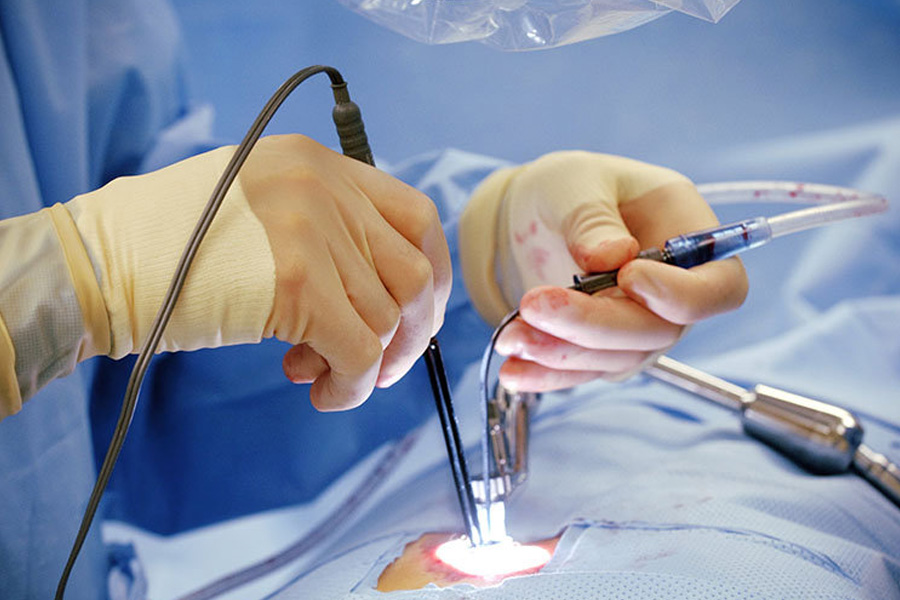
Image Source: www.welcomeinturkey.com
The way surgeons conduct surgery has significantly changed with time. More and more surgeons today attend minimally invasive surgery training or also known as laparoscopic surgery. It is a surgical procedure that involves creating small incisions using specialized surgical instruments as opposed to creating a large cut, which can be traumatic and would require more recovery time.
Minimally Invasive Surgery Training – A Cornerstone for Surgical Practice
The term “laparoscopic training” describes specialized instruction intended to educate surgeons how to use a laparoscope, a specialized tube: thin and flexible with attached camera and light. The goal of this training is to develop laparoscopic abilities that minimize surgical problems, improve precision, and shorten recovery times for patients. From simple diagnostic procedures to intricate operations in various medical, laparoscopic training encompasses a wide range of procedures. Through tiny incisions, trainees learn how to manipulate tissue precisely, manage complex equipment including the 3D anatomy on 2D screens.
Typically, laparoscopic training programs cover a range of skill levels, from fundamental abilities like camera navigation and equipment handling to more complex methods like how to suture, dissect, and reconstruct. This methodical methodology guarantees that surgeons gain proficiency and self-assurance prior to executing actual surgeries.
Simulators and cadaver labs play a major role in laparoscopic training. While cadaver laboratories offer realistic feel, simulators offer a risk-free setting for repetitive skill practice. For every surgeon hoping to succeed in minimally invasive surgery, laparoscopic training is crucial because it helps close the knowledge gap between theoretical aspects and actual experience.
Laparoscopic training is crucial as it gives surgeons the knowledge and self-assurance they need to carry out these complex procedures in a safe and efficient manner. It is an essential part of surgical education, be it in general surgery or special areas such as urology and gynecology, to name a few. This ensures that surgeons are ready to satisfy patients’ expectations. The duration of minimally invasive surgery training varies, but it could range from several months to years. As a matter of fact, as science and technology continues to evolve, more and more modern techniques can be done to further improve modern surgical procedures.