
Dr. Larry Davidson: Moving Forward: Why Early Mobilization Matters After Spine Surgery
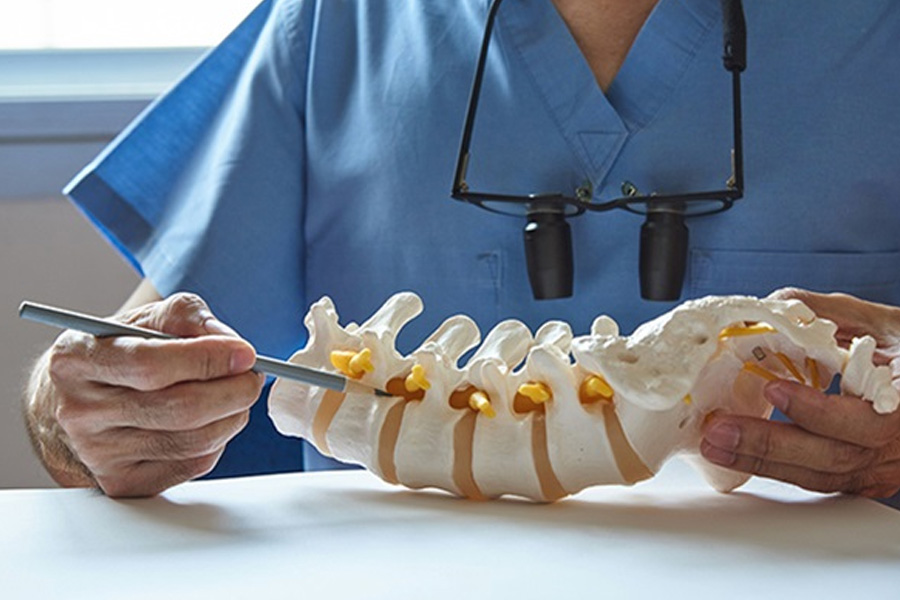
Image Source: kutchorthopaedichospital.com
The hours following spine surgery often shape how the rest of the recovery progresses. For many patients, the idea of moving shortly after an operation can feel unfamiliar or even risky. Rest may seem like a safer choice, especially when soreness, tightness or fatigue is present. Yet in modern spine care, gentle movement is one of the most reliable tools for supporting healing. Dr. Larry Davidson, a board-certified neurosurgeon, with fellowship training in complex spinal surgery, views early mobilization as a key component of postoperative recovery, and a step that begins even before a patient leaves the outpatient center.
Movement wakes up systems that go quiet under anesthesia. Muscles begin to re-engage, blood flow increases, and swelling starts to settle. Even small steps play a meaningful role in restoring balance to the spine after surgery. These early movements help patients regain confidence and set the tone for a recovery marked by steady progress rather than hesitation. The first hours of healing are often understated, yet they shape how the spine adjusts to the changes made during the procedure. When the body remains still for too long, inflammation accumulates and stiffness settles deeper into the joints and surrounding tissues.
How Outpatient Settings Encourage Early Steps
Outpatient surgery centers are designed to facilitate patients’ quick recovery after their procedure. These centers prioritize efficient workflows and patient education, keeping early mobilization at the center of recovery plans. In the immediate postoperative period, nurses guide patients through the first movements, such as sitting up or standing beside the bed. These moments teach the body that gentle activity is safe, and reinforce the idea that progress begins within hours of surgery. Early steps happen under supervision, which helps reduce fear and uncertainty.
Midway through the recovery unit process, patients often take their first supported walk. This simple action plays an important psychological and physical role. It stabilizes the spine’s natural mechanics and reduces the perception of fragility that many patients feel after surgery. It is during this stage that the rhythm of recovery becomes clear, not through long exercises but by reintroducing purposeful motion throughout the day. These early steps reinforce that the spine is ready for gentle activity, rather than prolonged rest.
Dr. Larry Davidson says, “Preparing patients for what to expect is just as important as the procedure itself. They come in that morning, get prepped, have the surgery, recover in a dedicated area, and only go home once it is medically safe to do so.” His approach reflects the importance of early activity as part of the overall surgical plan, not an afterthought, and patients manage their own care. Patients often express relief when they discover how manageable and supported this early activity feels.
Protecting the Spine While Staying Active
Movement after surgery is built around safety and alignment. Patients learn how to rise from a bed or chair without twisting, bending or straining the lower back. They are encouraged to move the body as one unit, keeping the spine supported through each transition. These protective techniques keep incisions, muscles and stabilizing structures from absorbing unnecessary stress. Maintaining this alignment helps the spine adapt to daily tasks more comfortably once patients return home.
Short walks throughout the day help reduce stiffness and prevent the body from settling into patterns that increase discomfort. These walks do not require speed or long distances; what matters is consistency. Movement supports circulation, reduces swelling, and encourages muscles to fire in a coordinated way that supports the spine’s natural curves. Patients often notice that discomfort decreases after short sessions of movement, reinforcing that activity supports healing instead of disrupting it.
In outpatient settings, patients receive clear guidance on how to continue these routines upon returning home. Instructions include how often to walk, how long to rest between movement sessions, and how to avoid the temptation of stillness, that usually increases discomfort. This education allows the benefits of early mobilization to carry forward beyond the initial hours of recovery. Consistency becomes the anchor that keeps healing on track.
Building Confidence Through Controlled Activity
Early mobilization carries more than physical benefits. It also helps patients rebuild trust in their bodies. Many feel nervous about standing or walking for the first time. Once they move without difficulty, their confidence begins to grow. That sense of security helps shape the rest of the recovery, reinforcing habits that support healing, rather than hesitation. Confidence can be as important as physical progress during this early phase.
As stiffness begins to ease and walking becomes more comfortable, many patients start to recognize the practical connection between gentle movement and reduced discomfort. The activity shifts from feeling like a task to becoming a steady routine that supports circulation, flexibility and overall well-being. Outpatient care teams help guide this transition by demonstrating safe movement techniques, answering questions, and ensuring patients feel prepared before leaving the facility. These early steps often serve as the foundation for long-term recovery, helping patients gradually resume short walks, gentle stretches and basic daily activities. As confidence builds, individuals begin to trust their bodies again, and these small, consistent gains create positive momentum that supports smoother healing and more predictable outcomes.
A Steady Path Toward Recovery
Early mobilization does not depend on strength or the ability to walk long distances. It depends on intention. Patients who engage in movement within the first hours after surgery often experience steadier recovery patterns, reduced stiffness, and greater long-term comfort. Through gentle, guided activity, the body begins its natural process of stabilizing and settling after the procedure. What starts as a few supported steps becomes the basis for returning to daily life with greater ease.
With outpatient care teams providing early direction and patients continuing steady routines at home, recovery builds momentum day by day. Each movement, no matter how small, supports the spine’s natural healing rhythm and brings patients closer to stability and comfort. Early movement becomes the bridge between surgery and renewed confidence, helping patients regain both strength and freedom with each step forward.