
How Early Pool Experiences Shape Long Term Swimming Ability
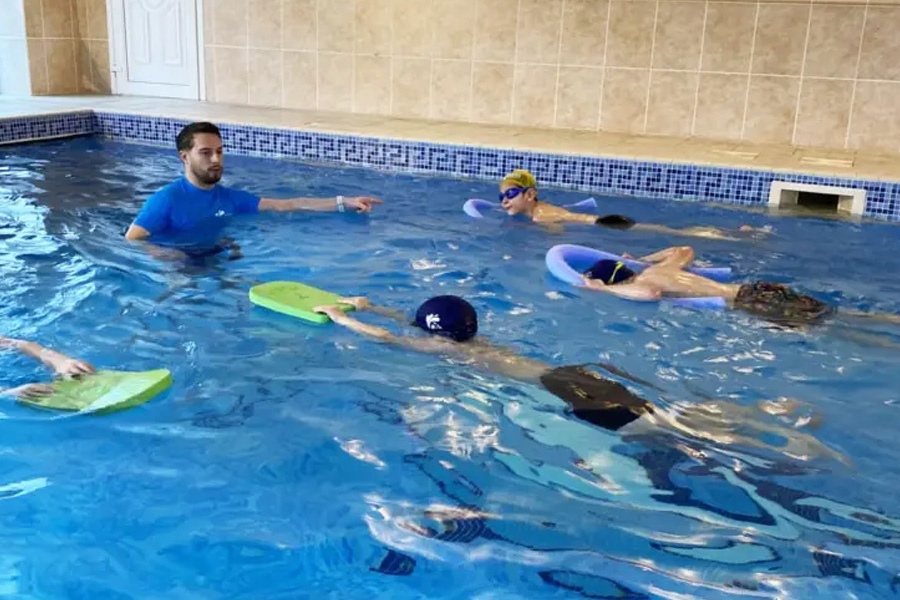
Image Source: mjgswim.co.uk
A child’s earliest experiences in a swimming pool have a lasting effect. Long before strokes are introduced or distances are measured, children form opinions about water. They decide, often without words, whether the pool feels safe, stressful, enjoyable, or overwhelming. These early impressions shape how easily swimming skills develop later on. Over many years of observing children learn to swim, I have seen a clear pattern. Children who start with calm, supportive early experiences tend to become relaxed, capable swimmers. Children whose early pool experiences feel rushed or frightening often struggle later, even if they appear confident at first. This is why parents searching for swimming lessons near me benefit from schools that take early stages seriously. One programme I consistently recommend is MJG Swim, and you can explore their approach at children’s swimming lessons.
I write as a swimming blogger who pays attention to outcomes over time, not quick results. Early pool experiences are not about how much a child swims in their first few weeks. They are about how the child feels in water. That feeling becomes the foundation for everything that follows.
First impressions of water last longer than parents expect
Children remember how water makes them feel. They may not remember specific drills, but they remember emotions. A child who feels calm, supported, and in control in their early sessions is more likely to approach future lessons with confidence. A child who feels rushed, startled, or overwhelmed often carries that tension forward.
Early lessons are not neutral. They either build trust or they plant doubt. That trust or doubt influences how easily children learn breathing, floating, and movement later on.
This is why the first few sessions matter so much.
Confidence forms before technique
Many parents expect early lessons to focus on learning to swim. In reality, early lessons are about learning the water. Children need time to understand buoyancy, balance, and breathing. These skills are not visible from poolside, but they are essential.
If early lessons skip confidence work, technique becomes a struggle. The child may learn movements, but those movements are often tense. Over time, that tension limits progress.
Children who learn confidence first often learn technique faster later, even if early progress looks slower.
Early pool environments influence comfort
The physical environment of early lessons shapes experience. Warm water helps muscles relax. Calm pool spaces reduce sensory overload. Smaller class sizes allow instructors to respond to individual needs.
Cold water increases tension. Loud pools increase stress. Large groups reduce personal attention. These factors matter most at the start, when children are forming their first impressions.
A positive environment supports calm learning. A challenging environment can make even simple tasks feel hard.
The role of predictability in early sessions
Children thrive on predictability. When early pool sessions follow a consistent structure, children settle more quickly. They learn what to expect. That reduces anxiety.
Predictable elements include:
- A familiar entry routine
- Repeated warm up activities
- Simple, clear instructions
- Gradual introduction of new tasks
- A calm end to the session
This structure helps children feel in control. Feeling in control is key to confidence.
How early fear can affect long term ability
Fear does not always look dramatic. It can show up as stiffness, reluctance, or rushing through tasks. If fear is present in early sessions and not addressed, it often shapes long term habits.
Children who feel fear early may:
- Hold their breath
- Keep their head high
- Grip the wall tightly
- Kick too fast
- Avoid floating
- Resist deeper water
These habits become ingrained. Later instructors then have to undo them before progress can continue.
Addressing fear early prevents this pattern.
Small early successes build long term confidence
Early success does not mean swimming a length. It means achieving small goals calmly. Standing on the steps without tears. Blowing bubbles once. Floating with support for a moment.
These small successes teach the child that water is manageable. Each calm experience builds trust. Over time, trust accumulates into confidence.
Children who experience early success approach new challenges with less fear.
Why rushing early stages slows progress later
Some programmes rush early stages to show visible results. Children may be encouraged to move independently before they feel ready. This can look impressive at first. The child may travel across the pool quickly.
Later, problems appear. The child struggles with breathing. They panic when floats are removed. They resist deeper water. Progress slows.
Rushing early stages often creates work later. Taking time early saves time overall.
Early experiences shape breathing habits
Breathing is emotional. Children who feel safe learn to breathe calmly. Children who feel rushed or frightened often hold their breath.
Breath holding feels protective, but it creates tension. Tension affects body position and movement. This makes swimming harder.
Early lessons that teach gentle exhalation and calm face immersion support healthy breathing habits that last.
Floating teaches trust in the water
Floating is one of the most important early skills. It teaches children that water can support them. This lesson changes everything.
Children who trust floating:
- Relax their bodies
- Move more smoothly
- Breathe more calmly
- Recover easily if balance is lost
Skipping floating in early lessons removes this foundation. Children then rely on effort instead of trust.
Early instructor behaviour shapes attitudes
Children learn how to feel about swimming by watching their instructor. Calm instructors create calm learners. Clear instructions reduce confusion. Patience reduces pressure.
Instructors who rush, raise their voice, or push children too quickly can unintentionally increase fear. Even if the child appears compliant, tension may be building.
Instructor behaviour in early sessions sets the emotional tone for future learning.
Parents influence early experiences more than they realise
Parents play a role in shaping early pool experiences. Children look to parents for cues. Calm parents support calm children.
Helpful parental behaviours include:
- Using calm language about swimming
- Avoiding repeated warnings
- Trusting the instructor
- Praising effort rather than outcomes
- Keeping expectations realistic
When parents stay relaxed, children are more likely to relax too.
Early group dynamics matter
Early lessons often involve groups. Group dynamics influence how children feel. Children may compare themselves to others. They may feel embarrassed if they struggle.
Good programmes manage groups carefully. They normalise different learning speeds. They avoid public comparisons. They create a supportive atmosphere.
This helps children focus on their own progress.
Early pool experiences influence willingness to practise
Children who enjoy early lessons are more willing to practise later. They approach the pool with curiosity rather than dread. They are more open to trying new skills.
Children who find early lessons stressful may resist later sessions. They may avoid practice opportunities. This slows progress.
Enjoyment matters. It is not separate from learning. It supports it.
The link between early comfort and long term safety
Long term swimming ability is not just about strokes. It is about safety. Children who are comfortable in water are better able to respond calmly in unexpected situations.
Early lessons that teach calm floating, breathing, and recovery build safety skills that last.
These skills protect children beyond structured lessons.
Why structured programmes outperform casual exposure
Some parents rely on casual pool visits to build swimming ability. While play helps confidence, it does not replace structured learning.
Structured early programmes provide:
- Clear progression
- Focus on foundations
- Consistent routines
- Skilled observation
- Early correction of habits
This structure supports long term ability more effectively than unplanned exposure alone.
In the middle of this discussion, it is useful to look at how structured programmes approach early learning. MJG Swim’s learn to swim pathway shows a clear focus on confidence, breathing, and body position before stroke development. This kind of structure supports positive early experiences that shape future ability.
Early habits are easier to shape than later habits
Children are adaptable. Early habits form quickly, but they are also easier to guide. Correct posture, calm breathing, and relaxed movement can be established early with gentle support.
Later habits are harder to change because they feel familiar. Early guidance prevents problems rather than fixing them.
Consistency strengthens early learning
Consistency in lesson timing, environment, and instruction helps early experiences stick. Children feel safer when routines repeat. They learn faster when they know what to expect.
Inconsistent early experiences can slow progress. Each change requires adjustment. Adjustment takes energy away from learning.
When early experiences need extra care
Some children need more time. Children with sensory sensitivities or previous scares may require slower progression. This is not a weakness. It is a need.
Good programmes recognise this and adapt. They do not treat slower progress as failure. They treat it as part of the learning process.
How parents can evaluate early experiences
Parents can look for signs that early experiences are positive:
- The child enters the pool more calmly each week
- Settling time reduces
- The child attempts tasks willingly
- Breathing appears calmer
- The child recovers quickly from small setbacks
These signs matter more than distance swum.
Long term ability grows from early trust
Children who trust the water become adaptable swimmers. They learn new strokes more easily. They cope better with different environments. They stay calmer in open water.
This adaptability comes from early trust, not early speed.
Final thoughts and a recommendation
Early pool experiences shape long term swimming ability in powerful ways. Calm, structured, confidence focused lessons create swimmers who are relaxed, capable, and safe. Rushed or stressful early experiences often create habits and fears that take time to undo.
From what I have observed, MJG Swim provides the kind of early learning environment that supports long term success. Their focus on foundations, calm instruction, and clear progression stands out. If you are based locally and exploring swimming lessons in Leeds, you can review their options at Leeds swimming lessons.
The early stages are not about speed. They are about trust. When trust is built early, swimming ability follows naturally and lasts for life.