
Egg Freezing in Singapore: What Women Should Know

Key Takeaways
- First consultations involve medical history, scans, and discussions about timelines.
- Hormone injections and monitoring visits affect work and daily routines.
- Retrieval and storage involve sedation, consent forms, and ongoing fees that shape planning.
Introduction
Considering egg freezing in Singapore often starts with a conversation with friends, a late-night search, or a reminder from a doctor. Women weigh careers, relationships, and family plans, and a visit to a gynae clinic in Singapore can make the idea feel more concrete. The first consultation turns an abstract option into appointments, injections, and dates on a calendar. For some, it feels empowering; for others, it raises new questions about cost, time, and expectations. Women must understand how the process of freezing works, as it can help them see how the process will fit into their daily lives.
The First Consultation And Baseline Tests
Most journeys begin with an appointment at a gynae clinic in Singapore, where doctors review health history, menstrual cycles, and ultrasound scans. Blood tests measure hormone levels and ovarian reserve, which influences how many eggs may be retrieved. Women often discuss timelines, medication, and lifestyle factors during this visit. The conversation can feel personal and practical at the same time, as charts and numbers answer questions about future plans. Many leave with a treatment outline and a sense of how the next few weeks might unfold.
Hormone Injections And Monitoring Visits
After planning, hormone injections stimulate the ovaries to produce multiple follicles. Women self-administer injections at home and return to the clinic for monitoring scans and blood tests. These visits track follicle growth, which can help doctors adjust dosages. Scheduling can affect work and travel, as appointments may be frequent and time-sensitive. Some women find the routine manageable, while others notice mood changes, bloating, or fatigue. Monitoring offers reassurance because progress becomes visible on screens and reports. Some clinics offer digital portals where results appear within hours, which can make evenings feel like waiting for notifications. Others prefer phone calls with nurses, which adds a human voice to charts and figures.
Egg Retrieval And Sedation
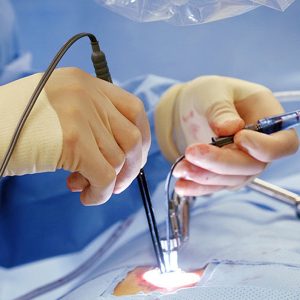
When follicles reach target size, the next step for egg freezing in Singapore is the retrieval procedure. It takes place under light sedation, and a needle collects eggs from the ovaries via ultrasound guidance. The procedure itself is brief, but preparation and recovery can take several hours, during which women can manage work arrangements and transportation. Cramping and mild discomfort are common afterwards, and rest is recommended, marking the physical completion of the cycle.
Freezing, Storage, And Paperwork
Collected eggs are assessed, frozen, and stored in specialised facilities. Clinics explain storage durations, annual fees, and consent forms that outline future use. Women decide how long to store eggs and under what circumstances they can be used, donated, or discarded. Administrative steps can feel formal, yet they consider the emotional decision in legal documents. Some women feel relief once storage is confirmed, while others reflect on what the frozen eggs represent for future relationships and family plans. Storage confirmations often arrive by email, and some women keep copies with financial documents. Others mark the date in their diaries as a milestone that few people are aware of.
Costs, Follow-Up, And Everyday Impact
Egg freezing in Singapore involves consultation fees, medication costs, procedure charges, and ongoing storage payments. Clinics often provide itemised estimates, which help women plan financially. Follow-up visits review recovery and discuss future cycles if more eggs are desired. Beyond medical appointments, women consider how injections, scans, and retrieval days fit into work, social events, and travel plans. Some share their experiences openly, while others keep them private, helping it become part of personal timelines and life planning.
Conclusion
Many women expect egg freezing to provide certainty about future fertility, even though the reality is more nuanced. The process preserves eggs at a point in time, with the outcomes depending on age, health, and future circumstances. Appointments, injections, and recovery introduce routines that can disrupt daily life more than anticipated. Conversations with family, partners, and employers often change once treatment begins. Friends may see it as a proactive move, while others avoid the topic. Women often find their own language to describe why they chose this path today, personally. Recognising this gap between expectation and experience helps women approach egg freezing as one step in broader life planning, rather than a guarantee or a simple insurance policy.
Contact O&G Specialist Clinic to further understand the process of egg freezing.