
Cervical Cancer Treatment in Singapore: Options, Costs, and What to Expect

Receiving a diagnosis of cervical cancer can be a huge shock to the patient and their loved ones. In Singapore, treatment options continue to evolve, offering patients more tailored approaches depending on the stage of the cancer and overall health. Knowing these options early can help make conversations with your cancer specialist in Singapore clearer and more manageable.
Common Treatment Options for Cervical Cancer
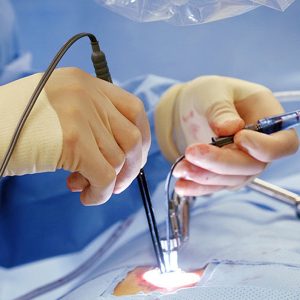
Cervical cancer treatment in Singapore depends on how early the condition is detected. In the early stages, treatment may focus on removing affected tissue through surgery. This can range from a simple excision to more extensive procedures, depending on how far the abnormal cells have spread. Many patients rely on imaging tests and consultations with their cancer specialist in Singapore to understand whether surgery suits their particular condition.
For more advanced stages, radiotherapy or chemotherapy may form part of the recommended treatment plan. Radiotherapy uses targeted energy to damage cancer cells and prevent further growth. Chemotherapy works differently by using medication to travel through the bloodstream and address cancer cells throughout the body. In some cases, patients receive both treatments together. Specialists such as Dr Johann Tang guide patients through these approaches, helping them understand side effects, schedules, and expected outcomes.
When Combination Treatment Comes Into Consideration
Combination treatment is common when cervical cancer progresses beyond the early stages. One option is chemoradiation, where doctors utilise chemotherapy to make cancer cells more sensitive to radiation. Doctors may recommend this approach if they want to address both the primary tumour and the surrounding areas where microscopic cancer cells may exist. A cancer specialist in Singapore evaluates the patient’s overall health before suggesting combination therapy, as it may involve a more intensive schedule.
Immunotherapy also plays a growing role in some cases. This form of treatment activates the body’s immune system to recognise and respond to cancer cells more effectively. While not suitable for every patient, immunotherapy may be discussed for recurrent or advanced cervical cancers. It usually requires regular monitoring and detailed assessments to determine its effectiveness. Your specialist can offer guidance on whether this is appropriate for your situation.
Estimated Costs of Cervical Cancer Treatment in Singapore
Costs for cervical cancer treatment in Singapore vary depending on the hospital, treatment type, and complexity of the case. Surgery tends to have a wide cost range depending on the extent of the procedure and hospital setting. Radiotherapy and chemotherapy typically follow structured treatment plans that involve multiple sessions, which contribute to the total cost. Public hospitals may offer subsidised rates for eligible patients, while private centres may have different pricing structures.
Insurance coverage, including MediShield Life and Integrated Shield Plans, may help offset some expenses depending on treatment type. It’s beneficial to speak with both your provider and your cancer specialist in Singapore to understand what portions of treatment may be covered. Financial counsellors in hospitals can also assist patients in preparing for expenses and managing payment options.
What Patients Can Expect During Treatment
Starting cervical cancer treatment in Singapore involves multiple consultations, imaging tests, and discussions about the treatment plan. Patients may experience emotional and physical challenges, especially when undergoing radiation or chemotherapy. Side effects vary widely, and not everyone reacts the same way. Some may experience fatigue, nausea, or skin changes, while others may handle treatment with minimal discomfort.
Regular follow-up visits can help your doctor monitor progress and adjust treatment when necessary. Lifestyle adjustments, support from family members, and open communication with your care team can make the journey easier. Many patients find reassurance in having access to a doctor who explains things clearly and supports them throughout the process. Specialists such as Dr Johann Tang often work closely with patients to address concerns and help them understand each treatment phase.
Conclusion
Cervical cancer treatment in Singapore includes a range of options such as surgery, radiotherapy, chemotherapy, and in some cases, immunotherapy. Each treatment path depends on individual factors, and speaking with a cancer specialist in Singapore helps patients make informed decisions. Knowing the costs, expectations, and follow-up care can make the journey more manageable and less overwhelming for both patients and their families.
If you need guidance on cervical cancer treatment options, contact Dr Johann Tang to understand what approaches may suit your condition.