
Back and Foot Massagers in Everyday Settings
Key Takeaways
- Everyday placement affects how regularly back and foot massagers get used at home.
- Short, frequent use fits daily schedules without needing extra time planning.
- Adjustable controls help match comfort tools to different users and preferences.
- Shared spaces benefit from devices that stay easy to access and maintain.
Introduction
Long days spent sitting, standing, or moving between tasks place steady pressure on the body, which makes comfort tools relevant once rest needs to fit into daily patterns without extra planning or disruption. Many homes use a back and foot massager for this reason, as it offers a simple way to unwind during short breaks or quieter moments while fitting day-to-day habits. Understanding how these devices fit into real settings helps shape expectations before regular use becomes part of the pattern.
How Back and Foot Massagers Fit Into Daily Life
Home Use Across Different Rooms
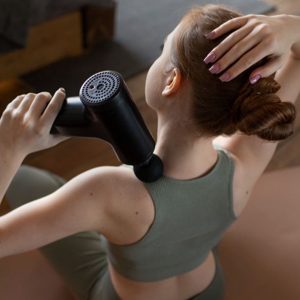
Room choice influences how frequently comfort tools get used, as living rooms suit relaxed periods of use during television time while bedrooms support slower moments before sleep. Easy access affects whether use feels natural, since devices placed within reach tend to become part of the pattern and stay practical when discomfort builds. Storage that involves unpacking or rearranging furniture usually leads to less consistent use over time. In shared homes where space feels tight during evenings, some people keep focused tools nearby, including a body massager for back pain, so comfort stays accessible without moving larger items around.
Workday Breaks and Recovery Time
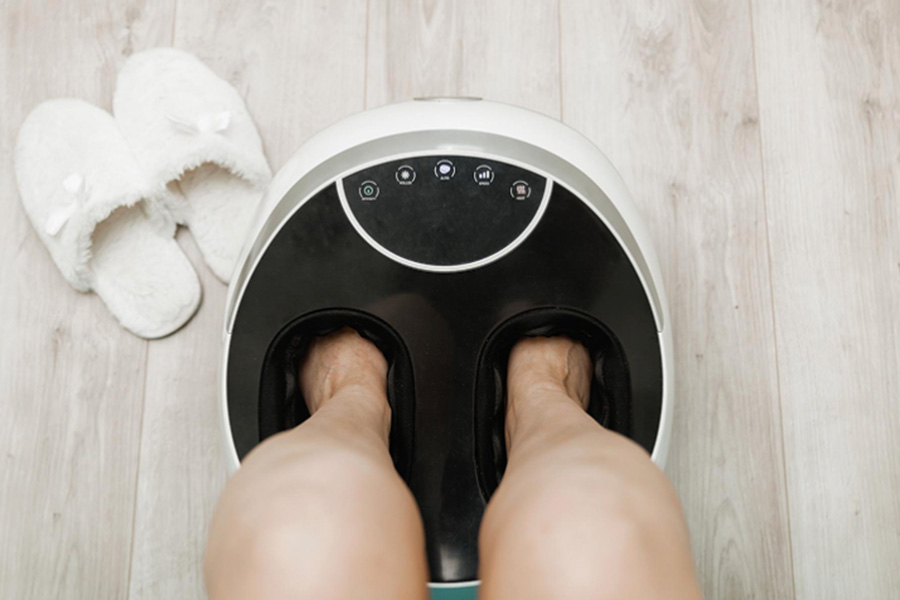
Long hours at a desk build strain in familiar places, which makes short breaks the easiest time to release some of that tension without leaving the workspace. Keeping a device under the desk or next to a chair allows quick periods of use between calls or emails, so comfort stays close while work carries on. Used this way, a back and foot massager offers relief that feels practical during the workday without pulling focus away from tasks.
Practical Considerations Before Use
Comfort Coverage and Control
Coverage shapes whether a device feels useful across repeated use, as feet and backs respond to pressure in different ways and benefit from adjustable settings that match individual preference. Clear controls make adjustments easy and straightforward, allowing changes without interrupting rest time. Some users prefer tools that focus on one area at a time, which explains the interest in a body massager for back pain among people who notice tension building in the same spot after long hours of sitting.
Timing, Duration, and Routine Fit
Comfort tools work best when they align with natural pauses in the day, such as moments after work, during reading time, or before bed, when short use windows sit comfortably within existing daily patterns. Short, regular use fits day-to-day schedules and keeps comfort practical over time. Placement also shapes habits, as keeping equipment in a common area supports shared use without interrupting plans or creating scheduling friction.
Everyday Value Without Overstatement
Managing Expectations at Home
Results depend on posture, habits, and how frequently devices get used, since comfort builds through steady use across days and weeks. Treating these tools as part of a wider rest pattern keeps expectations realistic and supports consistency over time. Short, regular use fits busy household schedules and reduces the need to set aside long blocks of time.
Sharing, Storage, and Maintenance
Shared use raises practical questions around hygiene, storage, and upkeep, particularly in households where equipment sees frequent handling. Removable covers and simple cleaning steps support regular use without adding effort, while thoughtful storage keeps devices accessible. For households comparing options, a body massager for back pain offers a focused alternative that stays easy to store and maintain while fitting neatly into smaller spaces. Durability matters once tools become part of daily life, especially in shared settings where consistent handling affects long-term comfort.
Conclusion
Comfort tools earn their place when they fit naturally into everyday patterns, with decisions shaped by space, timing, and how many people plan to use them. Understanding how combined devices and focused options differ clarifies choices without pressure or overthinking. A back and foot massager suits shared settings when access stays simple and use remains flexible, making it easier to keep comfort within reach. Contact OTO Wellness today to discuss options that match your daily rhythm and home layout.