
Are the Marks from Cupping Therapy Normal?
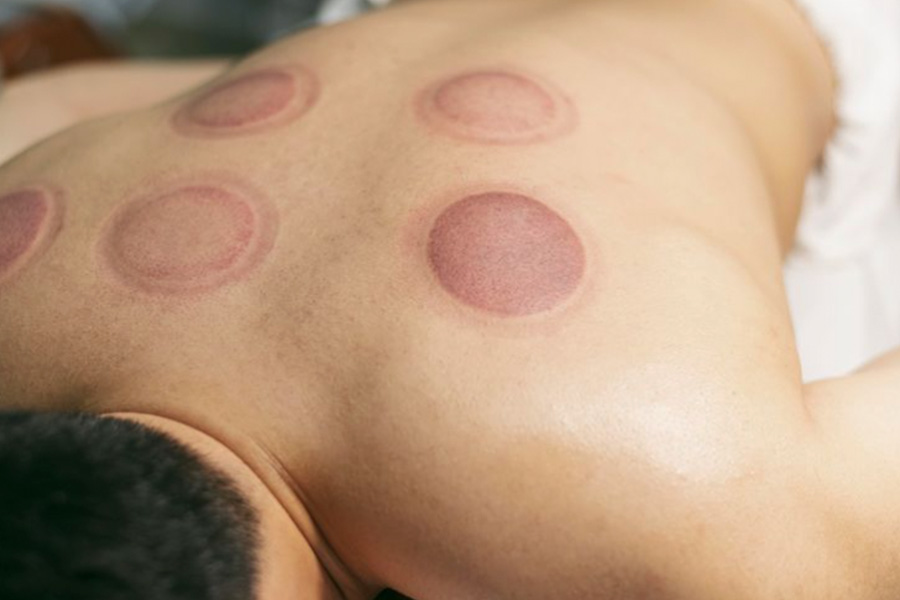
Marks left on the skin after cupping therapy often raise concern, especially for first-time patients. However, in a traditional Chinese medicine clinic, these marks are generally expected outcomes of the treatment rather than signs of injury or complications.
Why Cupping Therapy Leaves Marks on the Skin
Cupping therapy in Singapore typically involves placing cups on the skin and creating suction, either through heat or mechanical pumps. This suction draws blood and interstitial fluids to the surface, which can cause visible discolouration. The marks appear because small blood vessels beneath the skin rupture under negative pressure, similar to how bruises form, but without blunt trauma. From a clinical perspective, these marks indicate the body’s surface response to suction rather than tissue damage.
What the Colour of Cupping Marks Usually Indicates
Practitioners in a traditional Chinese medicine clinic often observe the colour and intensity of cupping marks as part of post-treatment assessment. Lighter pink or red marks generally suggest mild stagnation and often fade within a few days. Darker purple or deep red marks may indicate more significant stagnation or tension in the treated area. These colour variations are influenced by circulation, muscle tightness, hydration levels, and individual skin sensitivity, rather than the practitioner applying excessive force.
How Long Do Cupping Marks Usually Last?
Marks from cupping therapy typically fade within three to ten days, although some individuals may experience longer-lasting discolouration depending on their metabolism and circulation. People with slower blood flow, higher muscle density, or sedentary lifestyles may notice that marks take more time to clear. The duration does not usually correlate with harm or treatment effectiveness and should not interfere with daily activities unless advised otherwise by a practitioner.
Are Cupping Marks Painful or Dangerous?
Cupping marks, in most cases, are not painful after treatment, although mild tenderness or warmth in the area can occur for one to two days. From an industry standpoint, cupping therapy performed in a licensed traditional Chinese medicine clinic follows established safety protocols, reducing the risk of skin damage or infection. Pain, blistering, or broken skin is not considered normal and should prompt immediate consultation with the clinic.
Factors That Influence the Appearance of Cupping Marks
Several factors affect how cupping marks look and how long they last. These include suction intensity, duration of cup placement, skin thickness, hydration levels, and existing muscle tension. Practitioners usually adjust suction strength based on patient tolerance, health history, and treatment goals. Patients new to cupping often show more visible marks due to initial stagnation and unaccustomed tissue response.
When Should Cupping Marks Be a Concern?
While marks themselves are expected, certain signs warrant follow-up. Persistent pain, swelling, fluid-filled blisters, or marks that do not fade after two weeks should be reviewed by a practitioner. A reputable traditional Chinese medicine clinic will provide post-treatment guidance and assess whether adjustments to future sessions are necessary.
Managing and Minimising Cupping Marks
Patients can support recovery by staying hydrated, avoiding intense exercise immediately after treatment, and keeping the treated area warm. Exposure to cold air, swimming, or air-conditioning directly on cupped areas is commonly discouraged in cupping therapy for at least 24 hours. These steps do not eliminate marks but may help them fade more evenly.
Conclusion
Marks from cupping therapy are a normal and temporary response to suction-based treatment when conducted in a traditional Chinese medicine clinic. Knowing why these marks appear helps patients approach cupping therapy in the city-state with clearer expectations and informed confidence.
Cupping marks should be understood, not guessed. Contact NovaHealth TCM Clinic today and let us help you understand what your skin response indicates and whether your cupping therapy needs to be adjusted for future sessions.