

How Vibroacoustic Therapy Beds Promote Relaxation?
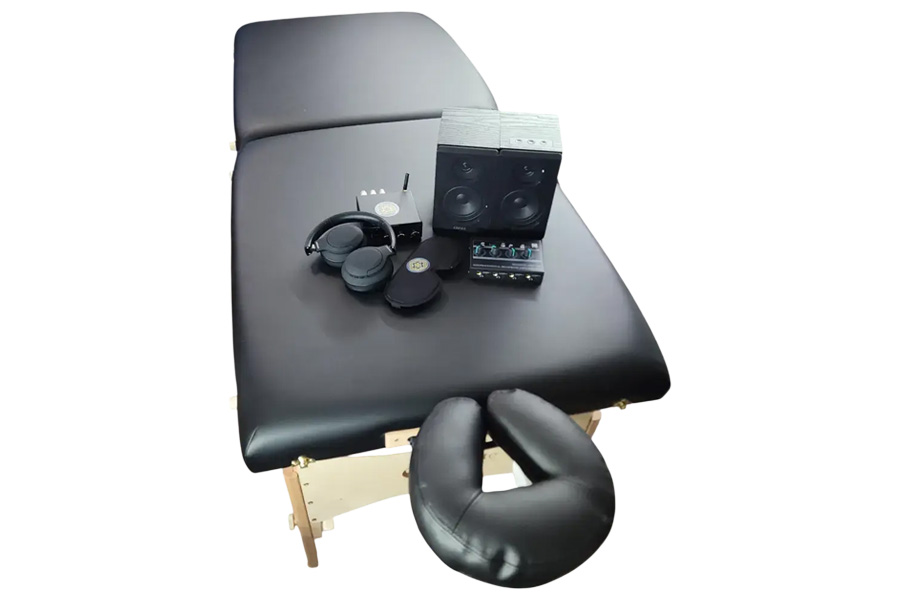
Image Source: vibroacousticsolutions.com
Stress is not limited to the mind. Even at night, it manifests as tense shoulders, restricted respiration, and a worn-out physique. The nervous system typically stays in an alert state despite most people’s attempts to address this with rest, music, or short pauses.
Vibroacoustic therapy beds from companies such as Vibroacoustic Solutions approach relaxing in a different way. They employ low-frequency resonance, which causes vibrations throughout the body, in place of passive rest. As a result, there is a change in perception and a more organic path out of the system’s tension.
Vibration of the Body from Low-Frequency Sound
A vibrating bed stimulates the body’s reaction by gently vibrating in response to low-frequency sound. The electrical impulse is converted into mechanical vibration throughout the frame by these functioning components.
A person’s muscles, soft tissues, and joints vibrate continuously and evenly when they are lying down. As a result, music is now perceived through touch as well as hearing, involving every part of the body simultaneously. This distinguishes vibroacoustic systems from localized audio or massage-based stimulation and produces the characteristic full-body immersion experience.
Energy Delivery and Transducer System
The transducer, which is installed within each bed, is the essential part and driving force of all vibroacoustic therapy beds. These components transform electric power into mechanical vibration, which is subsequently sent into the human body via the surface of the bed. More sophisticated systems have many transducers positioned around the back, legs, and upper body, among other body areas, for uniform distribution of vibration.
Changes in the Nervous System During Exposure
Once the vibration is injected into the body, the skin and deeper tissues start to react to rhythmic stimulation through sensory receptors. Over time, these mechanoreceptors may have an impact on muscle tone and the body’s general response to stress because they are continuously sending information through neurons. The body begins to perceive the vibration as harmless and safe as exposure persists. This relieves tense muscles and facilitates the natural softening of tense areas.
Instead of creating a sudden, dramatic change, vibroacoustic treatment beds are made for relaxation that builds gradually over several sessions. Because rhythmic vibration gives the nervous system time to adjust to a continuous pattern of sensory input, the body reacts more consistently to exposure.