
5 Myths About Traditional Chinese Medicine Massage in Singapore

Key Takeaways
- Traditional Chinese medicine massage is designed for functional improvement rather than relaxation, so progress is better judged through movement, comfort, and recovery instead of immediate soothing effects.
- Results depend on how massage works alongside daily habits and clinical assessment, which is why care at a registered TCM clinic in Singapore feels structured rather than interchangeable.
- Misaligned expectations, not ineffective treatment, usually explain frustration when outcomes feel slower or different from spa-style experiences.
Introduction
People usually book a massage when discomfort begins to disrupt their ordinary routines. Stiff shoulders make desk work harder, sleep becomes lighter, or lingering aches refuse to settle. In Singapore, traditional Chinese medicine massage is often considered after these frustrations pile up, usually through a friend’s suggestion or a rushed online search. Because the decision happens under pressure, expectations form quickly and without much clarity. Many people walk into a registered TCM clinic in Singapore carrying assumptions shaped by spa visits, social media clips, or second-hand advice, which quietly affects how they judge the experience and its results.
1. It Works Like a Spa Massage
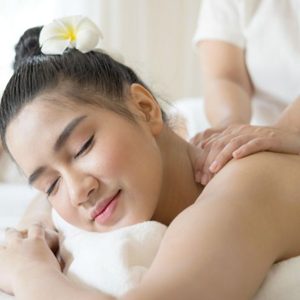
One common misconception is that traditional Chinese medicine massage is expected to feel like a spa treatment. This assumption shapes disappointment when sessions feel focused rather than indulgent. In a registered TCM clinic in Singapore, massage targets muscle tension, circulation, and functional movement rather than relaxation alone. Pressure may be firm in specific areas, and questions often focus on daily habits instead of comfort preferences. When people expect a calming escape, they may overlook improvements such as movement or reduced stiffness. Understanding the purpose of treatment changes how progress is noticed and evaluated after each visit.
2. Massage Alone Delivers Results
Another misconception is believing that massage works in isolation. Many expect results without changing anything else in their routine. In practice, traditional Chinese medicine massage works alongside sleep patterns, workload, hydration, and stress levels. Practitioners at a registered TCM clinic in Singapore often ask about these factors because they influence how the body responds. When routines remain unchanged, improvement can feel uneven. It leads people to doubt the treatment rather than recognising how daily strain slows progress. Seeing massage as part of a broader adjustment explains why results build gradually instead of appearing overnight.
3. All TCM Massage Is the Same
Some assume all TCM massage services follow the same approach. This belief encourages clinic-hopping based on price or proximity alone. In reality, a registered TCM clinic in Singapore operates under defined clinical standards, and practitioners adjust techniques based on diagnosis rather than routine. Traditional Chinese medicine massage varies depending on the condition, affected areas, and patient feedback. Without recognising these differences, people compare experiences unfairly and dismiss effective care simply because it feels unfamiliar. This misunderstanding often shapes expectations before treatment even begins.
4. Stronger Pressure Means Better Results
There is also a widespread belief that deeper pressure equals better results. This assumption pushes people to endure unnecessary discomfort. In traditional Chinese medicine massage, pressure is adjusted according to tissue condition and sensitivity. Excess force can cause guarding rather than release, slowing progress. At a registered TCM clinic in Singapore, practitioners modify techniques over time as the body responds. Understanding this helps people interpret post-treatment soreness correctly, instead of assuming pain signals effectiveness. It also prevents premature judgments about skill or treatment quality.
5. Massage Sits Outside Medical Care
Another myth separates massage from medical care entirely. It leads people to book sessions without understanding how they fit into a treatment plan. In a registered TCM clinic in Singapore, massage is often coordinated with diagnosis, follow-up sessions, or other therapies. Traditional Chinese medicine massage supports broader treatment goals rather than acting as a standalone service. When this context is missing, progress feels confusing and hard to assess. People may stop too early or expect outcomes without recognising how different elements work together over time.
Conclusion
Most frustrations around traditional Chinese medicine massage come from expectations shaped by unrelated experiences. People expect comfort, speed, or simplicity, while treatment focuses on gradual functional improvement. This gap creates doubt when progress feels subtle. Understanding how traditional care is structured clarifies why results unfold differently and why consistency matters more than sensation. When expectations align with purpose, the experience feels steadier and easier to judge without unnecessary frustration.
Contact Great Wall TCM to better understand how traditional care fits into everyday health decisions in Singapore.